
Hey there! 👋
I’m Jair C., and I bring ideas to life by turning plans into action with organized, strategic project management.
I’m a creative thinker at work, but outside, I’m just a regular guy.

5
Awards Win
75%
Revenue Increasing
70+
Projects Completed
85+
Happy Clients
Bringing Your Ideas to Life

Resume
Send us an email for support:

Web samples
Send us an email for support:

Data Analysis – Tableau, Excel, SQL
Send us an email for support:

Social Media
Send us an email for support:

Writing samples & publications
Send us an email for support:

Blog
Send us an email for support:

Sport Fencing
Send us an email for support:

Content Coming Soon
Send us an email for support:
Content Coming Soon
Send us an email for support:
A Little About Me
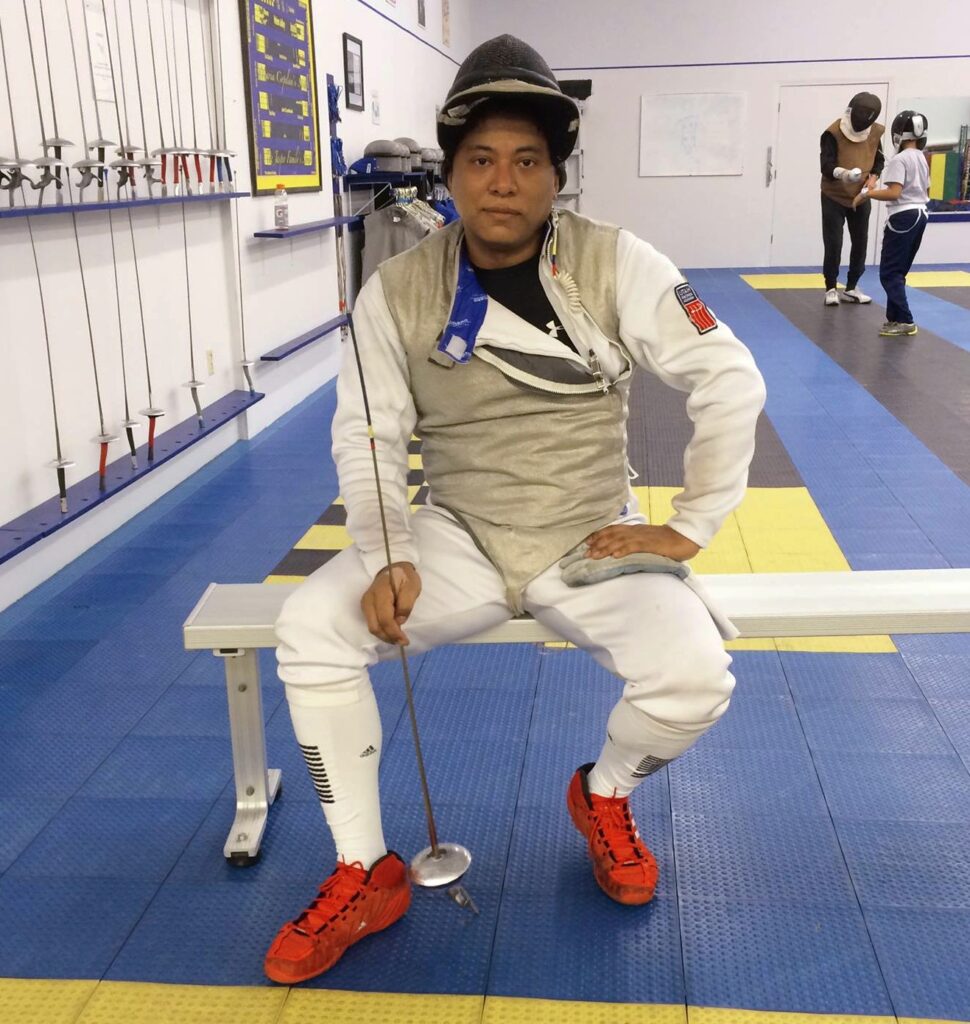
I’m Jair. With over eight years of expertise in project management, leadership development, IT systems, and customer support, I specialize in driving cross-functional collaboration and delivering measurable program improvements. I’m a classical music enthusiast who plays violin, viola, and piano—and when I’m not making music, I’m coaching fencing with over 20 years of experience. Precision, rhythm, and discipline are my jam—on stage and on the strip.
My Portfolio Highlights

Project 1
September 4, 2023
Project 2
September 5, 2023
Project 3
September 6, 2023
Project 4
September 7, 2023
Project 5
September 8, 2023
Project 6
September 22, 2023
Have a Project in Mind?
Have a project in mind or just want to chat? Reach out and let’s create something amazing!
Happy Clients , Happy Me
“Working with Jair was a game-changer”
Lorem ipsum dolor sit amet consectetur, adipisicing elit. Aperiam inventore maxime dolores quibusdam sed nihil consequatur eius distinctio tempora.

Nathan Peterson
Product Manager
“Brought our brand to life”
Lorem ipsum dolor sit amet consectetur, adipisicing elit. Aperiam inventore maxime dolores quibusdam sed nihil consequatur eius distinctio tempora.

Liam Burke
Financial Analyst
Let’s Craft Your Dream Website or App Together!
Whether you’re launching your first project or looking to refine an existing product, I’ve got the perfect plan to fit your needs and budget. Let’s create something amazing together!
Basic Design
$500

Initial Consultation
Wireframing
Revisions
Basic UI/UX Design
Delivery within 1 week
Expert Design
$1550
Initial Consultation
Wireframing
Prototyping
Unlimited Revisions
Advanced UI/UX Design
User Research
Usability Testing
Delivery within 2 weeks
Frequently Asked Questions
What services do you offer?
I offer a range of UI/UX design services including initial consultations, wireframing, prototyping, user research, usability testing, and responsive design. Check out my Services page for more details.
How much do your design services cost?
My pricing varies based on the scope and complexity of the project. You can find detailed information on my Pricing page. For custom projects, feel free to Contact Me for a personalized quote.
How long does a project take?
The timeline depends on the complexity of the project and the specific requirements. Generally, a basic project can take about a week, while more comprehensive projects can take up to a month or more. I’ll provide a more accurate timeline during our initial consultation.
Can you work on a project with a tight deadline?
I understand that sometimes projects come with tight deadlines. I’m happy to discuss your timeline and see if we can make it work. Please reach out to me as soon as possible so we can plan accordingly.
How can I get started with a project?
Getting started is easy! Just reach out to me via my Contact page, and we can set up an initial consultation to discuss your project goals and requirements.